EN
EN 
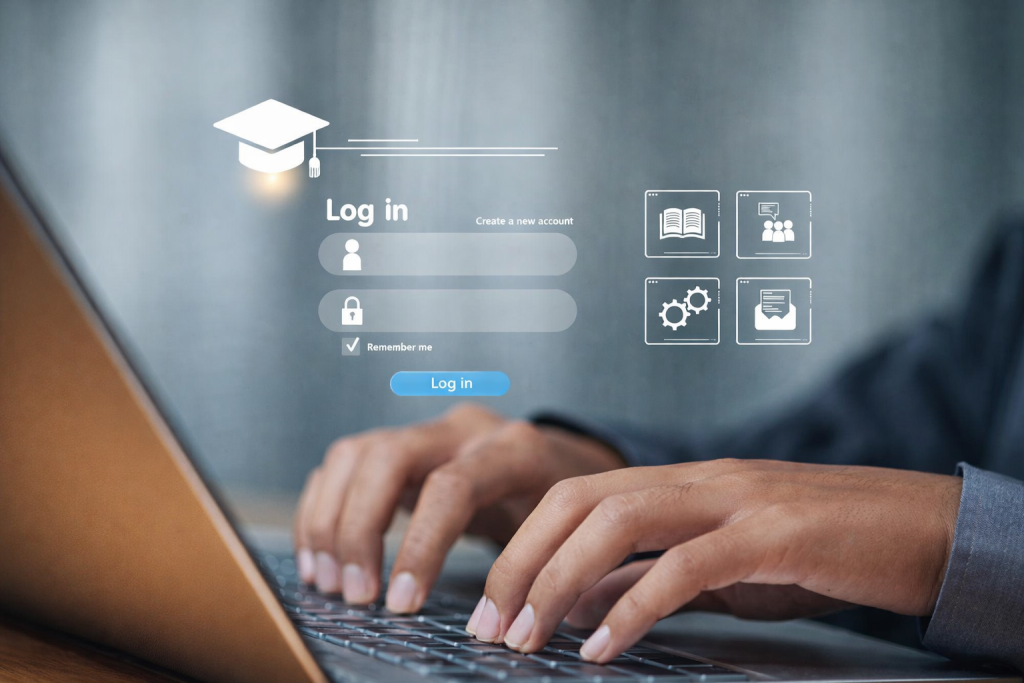
In the modern digital ecosystem, a standard corporate website is simply not enough to facilitate complex, secure business interactions. While websites are designed to broadcast public information to a broad audience, web portals are built to deliver secure, personalized interactive spaces for specific user groups. From customer support to vendor management, developing a high-performance web portal is a critical step toward complete digital transformation.
Understanding Web Portals: Website vs. Web Portal
To understand the value of web-portal development, it is vital to distinguish it from a traditional web application. A website focuses primarily on driving traffic and showcasing marketing content. In contrast, a web portal requires mandatory, secure user authentication (logins) to access restricted, personalized information.
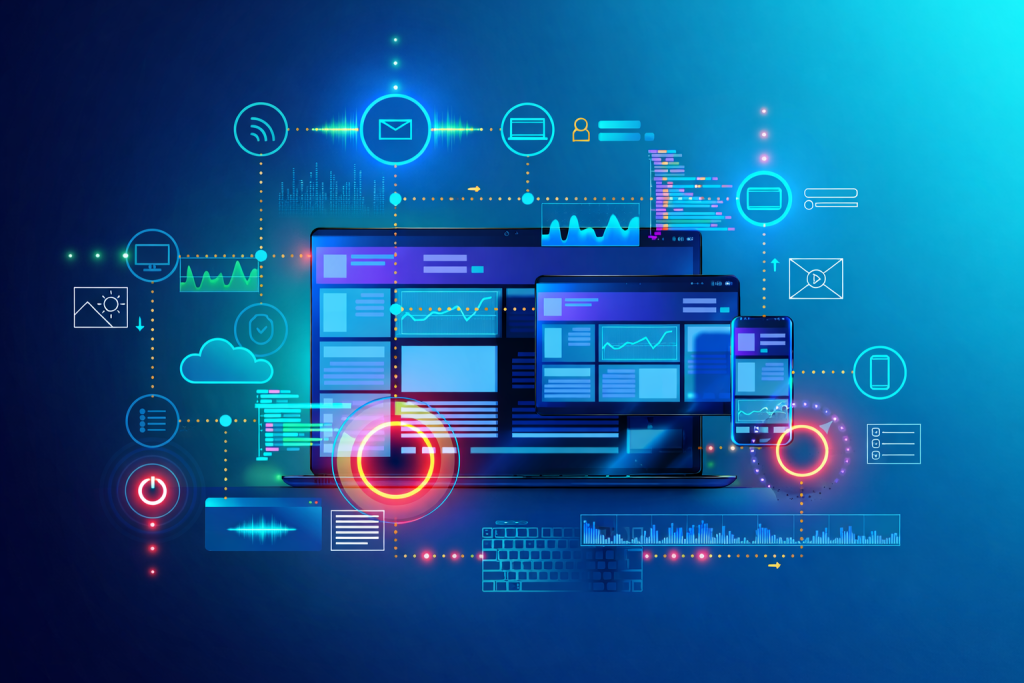
Web portals aggregate data from multiple backend systems and present it through a unified, user-friendly dashboard. This allows authenticated users to interact directly with your database, input information, and manage personal data securely.
Common Types of Web Portals and Their Use Cases
Web portals can be customized to optimize interactions with different stakeholders:
- Customer Portals: Empower clients to track orders, manage active subscriptions, view billing history, and log support tickets independently.
- Vendor & Partner Portals: Streamline B2B collaboration by allowing suppliers to submit invoices, view procurement requests, and check contract status in real-time.
- Employee Portals (Intranets): Centralize internal communications, HR documents, payroll access, and collaborative project workspaces for remote and on-premise teams.
Essential Technical Pillars of a Secure Web Portal
Building a reliable web portal requires focusing on advanced backend architecture and user experience:
- Robotic Security Measures: Implementing end-to-end encryption, Multi-Factor Authentication (MFA), and Role-Based Access Control (RBAC) to safeguard sensitive user data.
- Third-Party Integrations: Seamlessly connecting the portal with existing CRM, ERP, and payment gateways to ensure smooth data synchronization.
- Responsive and Accessible UI/UX: Designing a clean, intuitive interface that operates flawlessly across smartphones, tablets, and desktop setups.
Conclusion & CTA By investing in dedicated web-portal development, you shift from passive digital interaction to active digital collaboration, significantly lowering support costs and improving relationship retention.
Want to build a dedicated digital gateway for your clients or vendors? Connect with GCL BI’s expert developers to design a secure, custom web portal for your industry