EN
EN 

The rapid expansion of the digital landscape has unfortunately come with an escalation in cyber threats. Modern enterprises are constant targets for advanced phishing schemes, ransomware attacks, and malicious data breaches. A single security vulnerability can lead to devastating financial losses, legal compliance penalties, and irreversible damage to client trust. Implementing an aggressive, multi-layered cyber security defense framework is paramount.
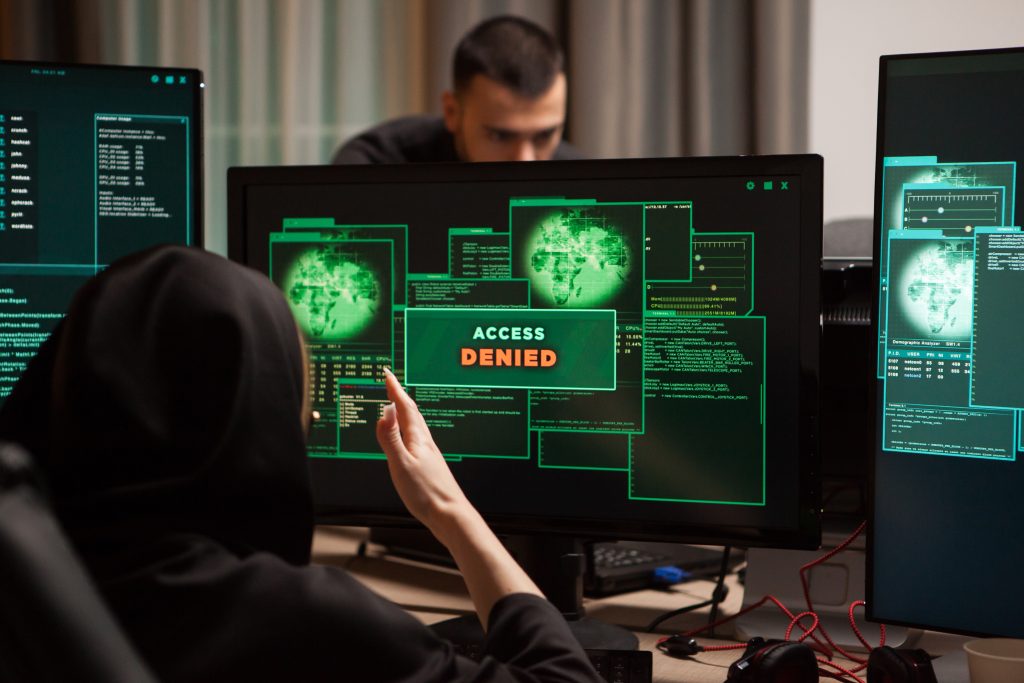
Identifying the Most Dangerous Modern Cyber Threats
To defend your enterprise effectively, you must understand the methods employed by modern cyber criminals:
- Ransomware Attacks: Malicious software that encrypts corporate databases, locking you out of your operations until an exorbitant ransom fee is paid.
- Spear-Phishing Campaigns: Highly targeted, sophisticated emails designed to trick executives or HR personnel into revealing confidential access credentials.
- Man-in-the-Middle (MitM) Attacks: Intercepting unsecured corporate network data transfers, often caused by employees logging in via public Wi-Fi networks.

Building a Multi-Layered Cyber Defense Infrastructure
Relying entirely on a basic antivirus application is a severe security error. True enterprise protection requires a multi-layered security blueprint:
| Security Layer | Practical Implementation | Objective |
| Network Security | Next-Gen Firewalls & VPNs | Shielding internal systems from external intrusions. |
| Identity Management | Multi-Factor Authentication (MFA) | Validating user identities across all corporate access points. |
| Endpoint Protection | Real-Time Monitoring Software | Securing individual laptops, mobile devices, and cloud servers. |
Establishing a Culture of Internal Cybersecurity Awareness
Technology alone cannot secure a company if the human element remains vulnerable. The vast majority of data breaches occur due to human error—such as an employee clicking a malicious attachment.
Developing a secure enterprise culture involves running mandatory, periodic cyber security training sessions, executing simulated phishing attacks to test team readiness, and drafting a strict Incident Response Plan (IRP) so your IT team knows exactly how to contain a breach instantly if an emergency occurs.

Conclusion & CTA Cyber security is an ongoing process of vigilance, adaptation, and proactive auditing. Safeguarding your infrastructure today ensures your business continuity tomorrow
Is your company truly safe from digital exploits? Book an expert Cyber Security audit with GCL Business Intelligence today to identify and seal vulnerabilities before they are exploited.